

Venezuelan opposition leader Maria Corina Machado emerges from hiding after winning Nobel
December 11, 2025
Guardians of the Skies: The Pakistan Air Force in 2025 – A Force Reborn
December 11, 2025
By Dr. Ayesha Rahman, Senior Analyst in South Asian Security Affairs
December 12, 2025
In the shadowy corridors of power where intelligence agencies weave the threads of a nation’s destiny, few figures have cast as long and controversial a shadow as Lieutenant General (Retd.) Faiz Hameed. Once the unchallenged architect of Pakistan’s covert operations, Hameed’s meteoric rise through the ranks of the Pakistan Army and his tenure as Director General of the Inter-Services Intelligence (ISI) from 2019 to 2021 marked him as a master manipulator of geopolitics and domestic intrigue. Yet, in a dramatic turn that underscores the unforgiving nature of military hierarchies, Hameed was sentenced to 14 years of rigorous imprisonment on December 11, 2025, by a Field General Court Martial—the first such conviction for a former ISI chief in Pakistan’s history. This verdict, handed down after a 15-month trial, not only closes a tumultuous chapter in Hameed’s life but also signals a potential reckoning for the military’s role in politics.

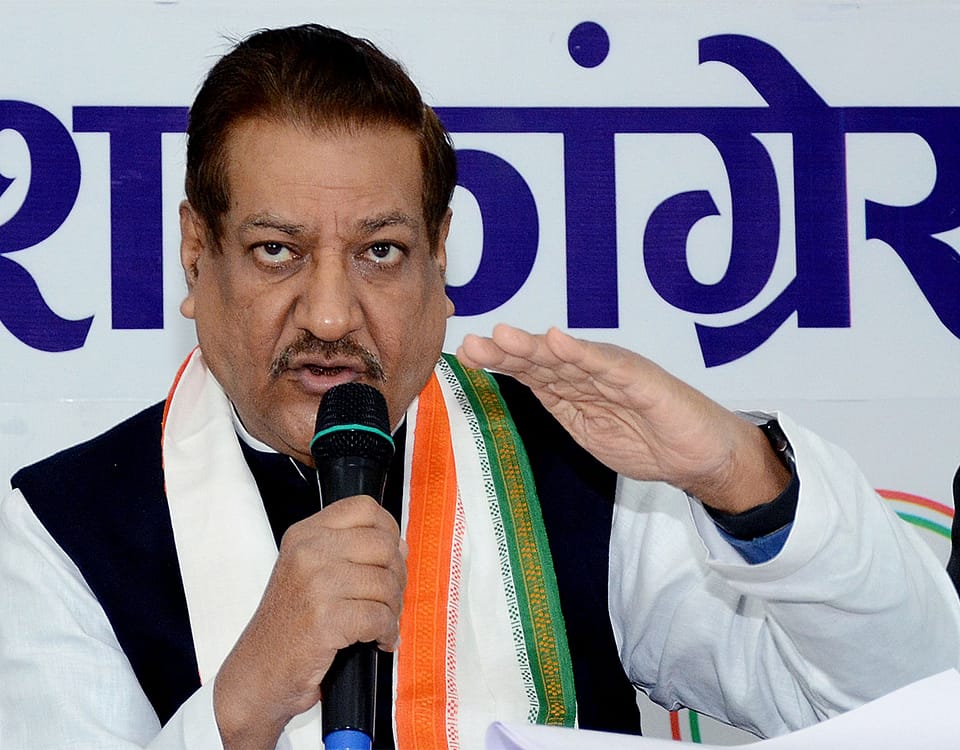
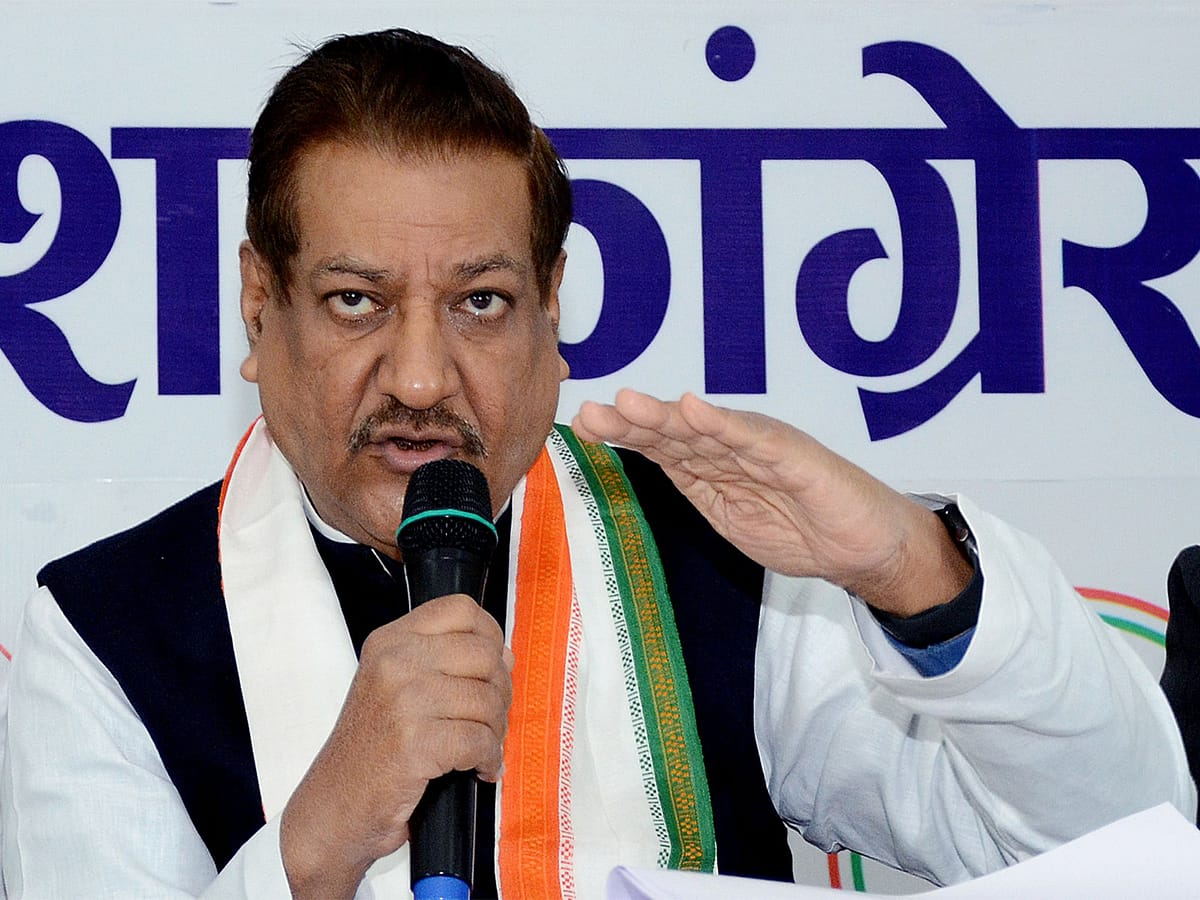
Lt. Gen. (Retd.) Faiz Hameed during his tenure as ISI chief, embodying the enigmatic power he once wielded. (Source: Official military archives)
From Humble Beginnings to the Heart of Power
Born in the rural village of Latifal in Chakwal, Punjab—a region renowned for producing stalwart military leaders—Faiz Hameed’s early life was steeped in the discipline of a family with deep ties to the armed forces. Joining the Pakistan Military Academy (PMA) in 1987 as part of the 76th Long Course, Hameed was commissioned into the prestigious Baloch Regiment in 1989. His ascent was swift and unerring, reflecting a blend of tactical acumen and strategic foresight that would later define his career.
Hameed’s formative years were marked by service in counter-insurgency operations along Pakistan’s volatile borders. By the mid-2010s, he had risen to Major General, serving as General Officer Commanding (GOC) of the 16th Infantry Division in Pano Akil from 2015 to 2017. It was here that his talents in intelligence and negotiation first shone. In 2017, as head of the ISI’s Counter-Intelligence Wing, Hameed orchestrated the resolution of the Faizabad sit-in—a 21-day blockade of Islamabad by the hardline Tehreek-e-Labbaik Pakistan (TLP) protesting changes to the Elections Act. Brokering a controversial deal that included the resignation of the law minister, Hameed’s intervention earned him both acclaim for averting chaos and criticism for overstepping into civilian affairs.
His trajectory accelerated in 2019. Appointed Adjutant General at General Headquarters (GHQ) briefly, Hameed was then elevated to Director General of the ISI on June 16, 2019, handpicked by then-Prime Minister Imran Khan. This appointment thrust him into the epicenter of Pakistan’s security apparatus, overseeing operations that spanned from counter-terrorism to foreign policy maneuvering.
The ISI Years: Shadows of Influence and Controversy
Hameed’s two-year stint at the ISI was a whirlwind of high-stakes diplomacy and domestic maneuvering, often blurring the lines between statecraft and intrigue. Domestically, he faced accusations of electoral interference during the 2018 polls, with opposition leader Nawaz Sharif alleging that Hameed and the ISI pressured lawmakers to bolster Khan’s Pakistan Tehreek-e-Insaf (PTI). In 2018, Islamabad High Court Judge Shaukat Aziz Siddiqui publicly accused Hameed of pressuring judges in the Panama Papers case that led to Sharif’s disqualification—a charge Hameed dismissed as baseless.
On the international stage, Hameed’s profile soared—and scandalized—following the Taliban’s August 2021 takeover of Afghanistan. Just days after Kabul fell, a viral photograph captured Hameed sipping tea at the Serena Hotel in the Afghan capital, a symbol of Pakistan’s alleged hand in the Taliban’s victory. “Everything will be fine,” he reportedly assured assembled leaders, a moment that fueled global debates on Pakistan’s regional ambitions. Critics, including Afghan expatriates in India who defaced his image in protests, decried his role as emblematic of ISI meddling.

The infamous 2021 image from Kabul that turned Hameed into an international icon—and lightning rod. (Source: Public domain media)
Yet, Hameed’s defenders credit him with modernizing the ISI’s cyber intelligence capabilities and stabilizing fragile alliances in the fight against extremism. His tenure, however, sowed seeds of discord within the military. By October 2021, amid growing tensions with Army Chief Gen. Qamar Javed Bajwa, Hameed was abruptly removed as ISI chief and reassigned to command the XI Corps in Peshawar. He later commanded the XXXI Corps in Bahawalpur before opting for premature retirement on December 10, 2022—just as Gen. Asim Munir ascended to Army Chief.
The Top City Scandal and the Path to Court-Martial
Hameed’s post-retirement life unraveled amid allegations of corruption and abuse of power. The catalyst was the “Top City” case, a 2023 petition by housing developer Moeez Ahmed Khan. Khan accused Hameed, along with ISI agents and Rangers, of raiding his offices and residence in 2017, seizing 4.6 kg of gold and cash under the guise of security operations. Hameed allegedly attempted to negotiate the return of assets in exchange for favors, including land allotments for a housing society. The Supreme Court of Pakistan ordered an inquiry in 2024, leading to Hameed’s arrest on August 12 of that year.
The charges were multifaceted: violations of the Official Secrets Act, misuse of authority and state resources, engaging in political activities post-retirement, and causing wrongful financial loss to individuals. Additional probes linked him to the Al-Qadir Trust scandal, where Khan’s family allegedly received vast tracts of land in a questionable deal involving billions in rupees. Hameed’s perceived loyalty to Imran Khan—now imprisoned on corruption charges—further fueled perceptions of a targeted purge.
The 15-month court-martial, conducted under the Pakistan Army Act, 1952, afforded Hameed full legal representation. On December 11, 2025, the verdict was unanimous: 14 years of rigorous imprisonment on four counts. The military’s Inter-Services Public Relations (ISPR) emphasized adherence to due process, while Information Minister Attaullah Tarar hailed it as a “red line crossed,” vowing deeper probes into ISI political meddling.
Legacy: A Cautionary Tale in the Game of Shadows
Faiz Hameed’s downfall is more than personal; it is a seismic shift in Pakistan’s civil-military dynamics. As the first ISI chief to face such accountability, his conviction—widely viewed as a crackdown on Khan allies—may deter future interventions in politics. Yet, as analysts note, it risks reinforcing selective justice: predecessors like Bajwa, accused of similar “political engineering,” remain unscathed.
Hameed’s story is a potent reminder of the perils of unchecked power in intelligence circles. From the dusty fields of Chakwal to the opulent lobbies of Kabul, he embodied the ISI’s dual role as guardian and puppeteer. Today, behind bars, he serves as a warning: in Pakistan’s intricate power games, even spymasters are expendable.